
Practical Robotics and AI ethics for engineers and teams
Most engineers and project teams want to build responsible technology, but ethics principles rarely say what to do on a Monday morning. CRAiEDL designs and tests practical tools that bring ethics into everyday engineering work: toolkits, evaluation methods and course materials for responsible robotics and AI design.
Tools and methods
The CRiT Toolkit (2025). Guidance for researchers working with major technology companies, covering go/no-go decisions, research contracts, warning signs in a partnership and collective organization.
A framework for ethical considerations in engineering automated vehicles (2020). A method engineers can use to state ethical issues and their resolutions in design terms.
SPIDER (2024). A method for weighing privacy against other values such as safety, security and fairness.
Social failure modes in technology (2020). The idea that technology can break because of social defects in its design, just as it can break from mechanical ones. We challenge tech designers to study and model the social dynamic of technology to anticipate failures.
Teaching ethics for engineers
We also build tools for the classroom. With Mines Action Canada, first-year engineering students at the University of Ottawa design virtual robots and confront the ethics of lethal autonomous weapons. Our three principles for testing safety-critical robotics and AI in public draw lessons from bioethics and apply them to tech policy and design.
Publications
 Project
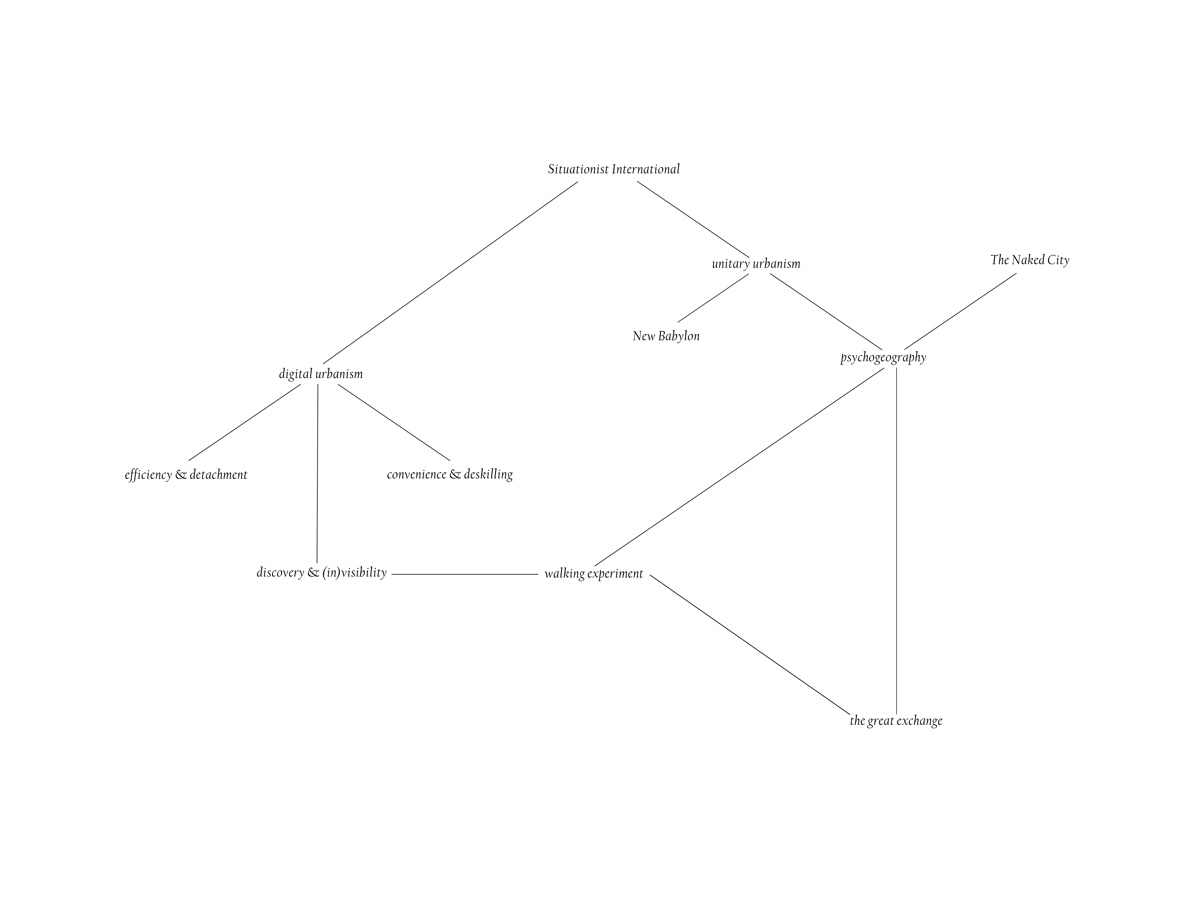
The Role of Art in Challenging Digital Urbanism
 Op-Ed
The Government of Canada falls short on its claims it used AI responsibly in its National AI Strategy Public Consultation
 Presentation
Ethics Modelling: A New Applied Ethics for Tech Design
 Project
Graduating a Generation of Engineering Students Equipped to Consider the Ethics of Building Lethal Autonomous Weapons
 Project
The Critical Research Into Tech (CRiT) Toolkit
 Publication
Effects of Artificial Intelligence and Robotics on Human Labour: A Systematic Review
 Publication
Art Critically Examining Generative AI
 Publication
Three Principles for Testing Safety-Critical Robotics and AI In Public
 Publication
Ethical Principles for Infodemiology and Infoveillance Studies Concerning Infodemic Management on Social Media
 Publication
A Participatory Design Methodology to Elicit Aging-in-Place Stakeholder Concerns with Ambient Assistive Living (AAL) Devices During COVID-19
 Publication
Global Pandemic App Watch (GPAW): COVID-19 Exposure Notification and Contact Tracing Apps
 Publication
Peer Review for Automated Decision-Making Tools Under Canada's Directive on Automated Decision-Making: A Model Peer Review Process and Recommendations for Best Practice
 Publication
Social Failure Modes in Technology and the Ethics of AI: An Engineering Perspective
 Publication
A Framework for Addressing Ethical Considerations in the Engineering of Automated Vehicles (and Other Technologies)
 Publication
Off-the-Shelf Sentiment Analysis: the Ethics of Subjectively Annotated Data and Objectively Measured AI Models
 Publication
Designing Automated Vehicles Around Human Values
 Video
Social Failure Modes in Technology and the Ethics of AI- presentation
 Publication
Foresight Into AI Ethics (FAIE): A toolkit for creating an ethics roadmap for your AI project
 Research Creation
The Myth of Agency: Prato
 Publication
Lessons Learned: An Ethics Roadmap for Real-Time Predictions
 Publication
Hacking Metaphors in the Anticipatory Governance of Emerging Technology: The Case of Regulating Robots
 Publication
Ethics Settings for Autonomous Vehicles
 Publication
An Ethics Evaluation Tool for Automating Ethical Decision-Making in Robots and Self-Driving Cars
 Publication
Delegation, Relinquishment, Responsibility: The Prospect of Expert Robots
 Op-Ed